

Peace is the road being open.
Peace is the child walking home from school and arriving at the front door at the time the front door expects her.
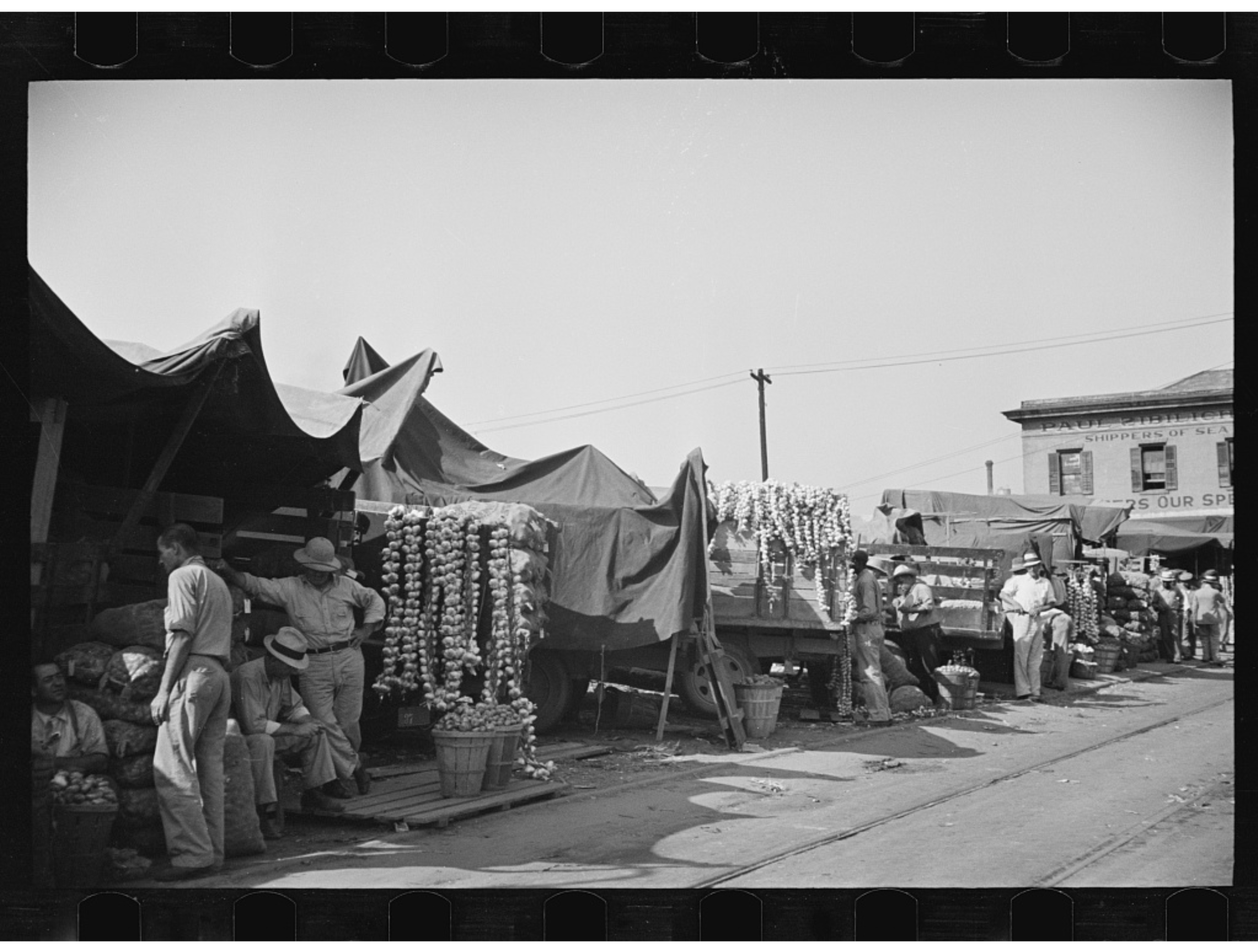
Peace is the market at six in the evening selling what it had at noon, to the same people, with the same currency, and closing at the time the market said it would close.
Peace is the neighbor whose name you know, whose dog you have met, who will be on the porch tomorrow.
War is what is required to interrupt any one of these things. War is what is required to interrupt all of them at once.
We notice war. We do not notice peace.
This is not metaphor. It is the structure of attention. The functioning road does not announce itself; only the closed road does. The child who arrives at six does not announce herself; only the child who does not arrive does. The market that opens at the time it said it would open is unremarkable in the technical sense — there is nothing on which to remark.
Peace is the unremarkable. War is the remark.
The racket depends on this asymmetry. The racket is loud and demands attention. Peace is quiet and asks for nothing but to be lived inside. To see the racket clearly, the citizen must first remember what is being interrupted when the racket runs.
The road. The child. The neighbor. The market at six.
These are not small things. These are the things.
Peace Racket, Volume I traces what holds the road open, the child home, the neighbor alive, the market at six. On Kindle.
Image: Carl Mydans, "Marketplace at New Orleans, Louisiana," 1936. U.S. Resettlement Administration / Farm Security Administration collection — Library of Congress, public domain (loc.gov/pictures/item/2017715702).